How to Keep Your Dog Hydrated: A Complete Guide
How to Keep Your Dog Hydrated: A Complete Guide for Pet Parents
Water is one of the most important parts of your dog’s daily routine. Just like people, dogs need enough water to support normal body functions and stay comfortable throughout the day.
Your dog’s water needs can change depending on their size, diet, activity level, weather, age, and overall health. Understanding their normal drinking habits can help you provide better everyday care.
In this guide, we’ll explain how to keep your dog hydrated, how to encourage healthy drinking, and what signs may mean your dog needs veterinary attention.
Why Is Water Important for Dogs?
Water supports many essential functions in a dog’s body. Proper hydration helps maintain normal circulation, digestion, temperature regulation, and other everyday processes.
Dogs can lose more water than usual through panting, exercise, hot weather, vomiting, or diarrhea. That’s why access to clean drinking water is especially important during warm weather and active days.
How Much Water Does a Dog Need?
There isn’t one exact amount that is right for every dog.
A commonly used general guideline is around 1 ounce of water per pound of body weight per day, but this is only a starting point. A dog’s actual needs can vary significantly.
For example, a dog may need more water after exercise or during hot weather. Dogs eating primarily wet food may drink less from their bowl because they receive additional water from their food.
If you notice a major or persistent change in how much your dog drinks, speak with your veterinarian.
Signs Your Dog May Not Be Drinking Enough
Watch your dog for changes in normal behavior and drinking habits.
Possible signs of dehydration can include:
- Dry or sticky gums
- Lower energy than usual
- Reduced urination
- Excessive panting
- Loss of interest in normal activities
- Sunken-looking eyes in more serious cases
These signs can have other causes too, so don’t rely on them alone to determine whether your dog is dehydrated.
If your dog is very weak, repeatedly vomiting, has severe diarrhea, collapses, or cannot keep water down, contact a veterinarian promptly.
7 Simple Ways to Keep Your Dog Hydrated
1. Keep Fresh Water Available
Make sure your dog always has access to clean, fresh drinking water.
Wash the bowl regularly and refill it when necessary. Dogs may be less interested in water that has been sitting out for a long time or contains dirt, hair, or food particles.
2. Put Water in More Than One Location
If you have a larger home, consider keeping water bowls in several convenient areas.
This can be particularly useful if your dog spends time both indoors and outdoors.
3. Bring Water on Walks
Don’t wait until your dog appears thirsty before thinking about water on longer walks.
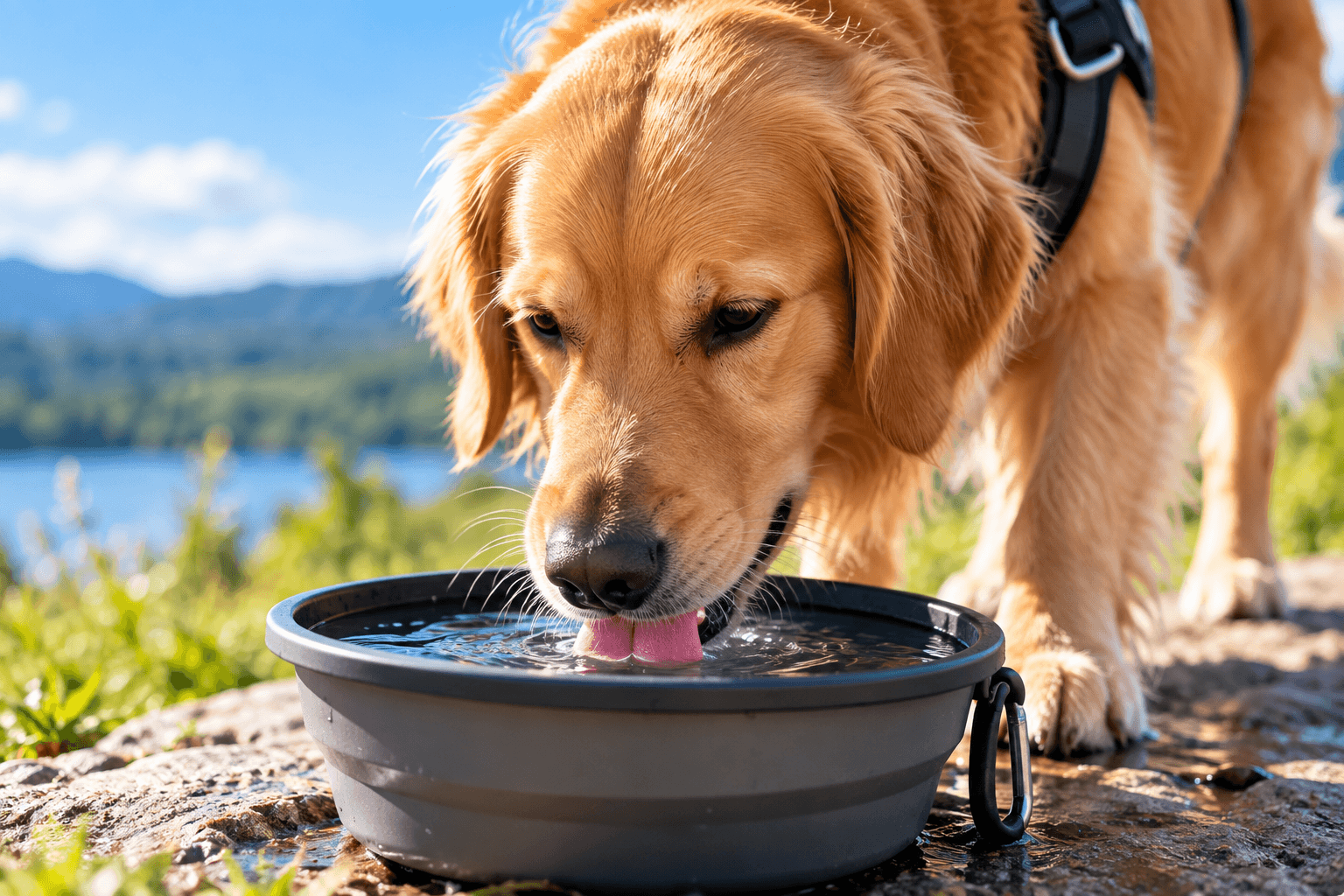
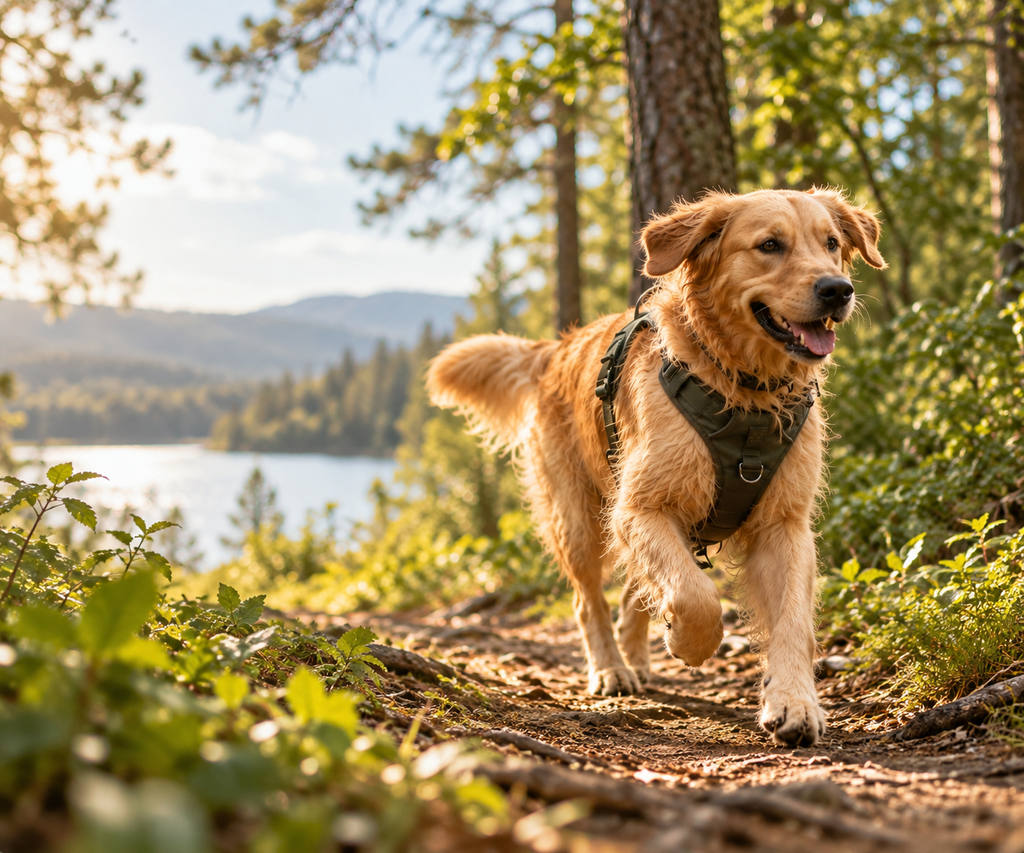
For outdoor activities, bring fresh water and a suitable travel bowl or pet water container. Give your dog opportunities to drink, especially during warm weather or extended activity.
4. Pay Extra Attention During Hot Weather
Dogs can become overheated more easily during hot conditions.
On warm days, provide plenty of fresh water and avoid strenuous activity during the hottest part of the day. Choose cooler walking times and provide access to shade.
Never leave a dog unattended in a hot vehicle.
5. Consider Your Dog’s Food
Wet food naturally contains more water than dry kibble.
If your dog eats dry food, they may obtain more of their daily water directly from drinking. Adding a little water to food may also be appropriate for some dogs, but introduce changes gradually and consider your veterinarian’s advice if your dog has a medical condition.
6. Make Water Easy to Access While Traveling
Travel can change a dog’s normal routine.
Bring familiar water and a travel bowl when possible. During longer journeys, provide regular opportunities to drink and take appropriate breaks.
7. Learn Your Dog’s Normal Drinking Habits
One of the simplest things you can do is pay attention to what’s normal for your dog.
If your dog suddenly starts drinking dramatically more or less water than usual, don’t ignore the change. Persistent changes can sometimes be associated with an underlying health problem and should be discussed with a veterinarian.
What If Your Dog Doesn’t Want to Drink Water?
If your dog occasionally drinks less than usual but otherwise seems normal, monitor them closely and make fresh water easily available.
You can also try:
- Cleaning the water bowl
- Offering water in another clean bowl
- Moving the bowl to a quieter location
- Offering water after a walk
- Providing wet food if appropriate
Avoid adding ingredients to your dog’s water without checking that they are safe. Never use products containing ingredients such as onion, garlic, or xylitol.
If your dog refuses water for an extended period or appears unwell, contact your veterinarian.
Keeping Your Dog Hydrated on Walks
A simple hydration routine can make outdoor activities easier.
Before leaving, make sure your dog has access to water. For longer walks, bring water with you and take breaks when needed.
During hot weather, watch for excessive panting, weakness, confusion, vomiting, or collapse. These can be signs of a serious heat-related problem and require prompt veterinary attention.
When Should You Contact a Veterinarian?
Contact your veterinarian if you notice a significant or persistent change in your dog’s drinking habits.
Seek prompt veterinary care if your dog:
- Refuses water and appears unwell
- Repeatedly vomits
- Has significant diarrhea
- Is extremely weak or lethargic
- Collapses
- Shows signs of severe overheating
- Cannot keep water down
When in doubt, it’s safer to ask a veterinary professional rather than trying to diagnose the problem yourself.
Final Thoughts
Keeping your dog hydrated doesn’t have to be complicated. The basics are simple: provide clean water, make it easily accessible, pay attention to your dog’s normal habits, and take extra precautions during exercise, travel, and hot weather.
Most importantly, learn what’s normal for your individual dog. Changes in drinking behavior can be worth discussing with your veterinarian, particularly when other symptoms are present.
A little attention to hydration every day can be an important part of responsible pet care.
Frequently Asked Questions
How often should I give my dog water?
Fresh drinking water should generally be available throughout the day rather than only at specific times.
Can dogs drink too much water?
Yes. Excessive drinking can sometimes be associated with an underlying health issue. If your dog suddenly begins drinking much more than usual, discuss it with your veterinarian.
Should I take water on a dog walk?
For longer walks, outdoor activities, and warm weather, bringing fresh water is a good habit.
How can I encourage my dog to drink more water?
Start with clean, fresh water and an easily accessible bowl. You can also try another bowl location or provide appropriately hydrated food. If your dog consistently refuses water, contact your veterinarian.
